
Sticklebacks
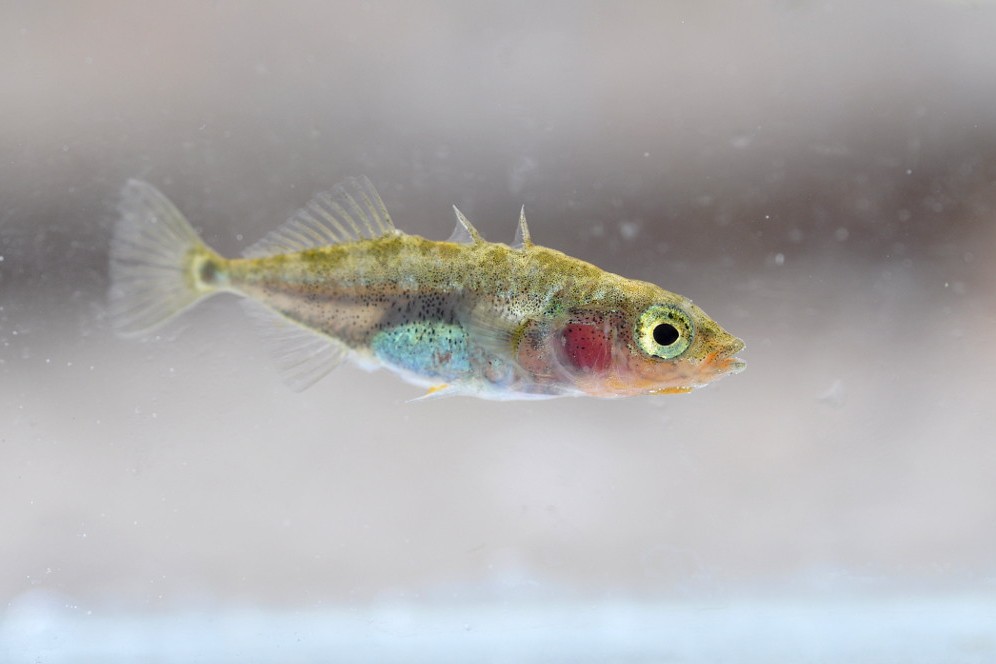
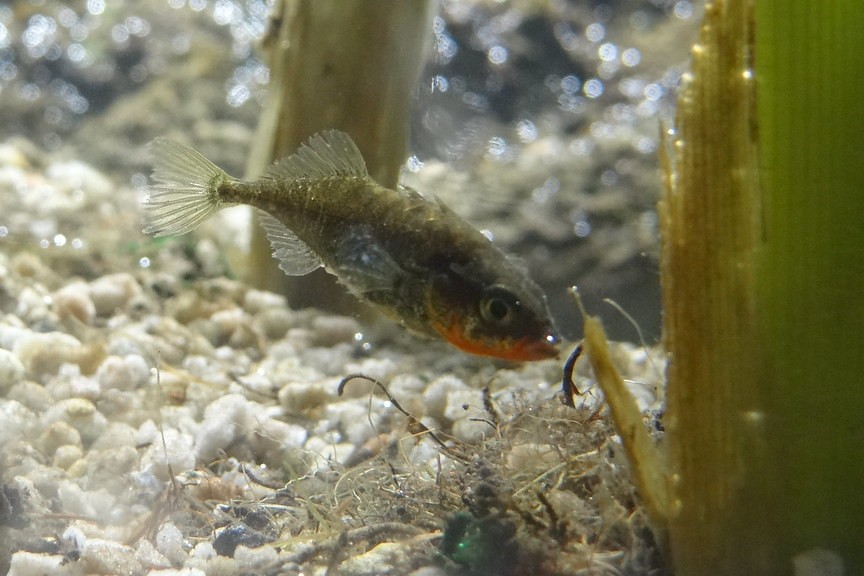
Threespine sticklebacks are one of our principal systems for studying rapid adaptation and the predictability of evolution. Following the last glaciation, marine sticklebacks repeatedly colonized freshwater habitats throughout the Northern Hemisphere. These independent colonization events created natural evolutionary replicates in which similar ecological transitions have occurred against different environmental and demographic backgrounds.
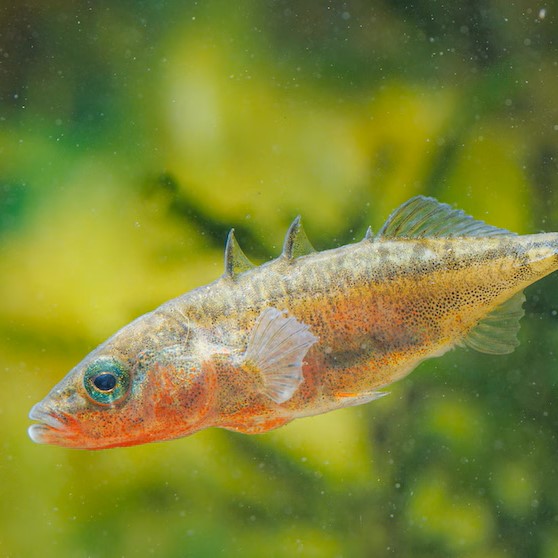
Why sticklebacks are a good system for our questions
We study how freshwater populations evolve differences in morphology, behaviour, physiology, gene regulation, and DNA methylation. By comparing many populations, we can determine when evolution proceeds in parallel and why superficially similar environments sometimes produce different outcomes. Our work emphasizes the roles of standing genetic variation, gene flow, demographic history, and fine-scale ecological differences in shaping adaptation.
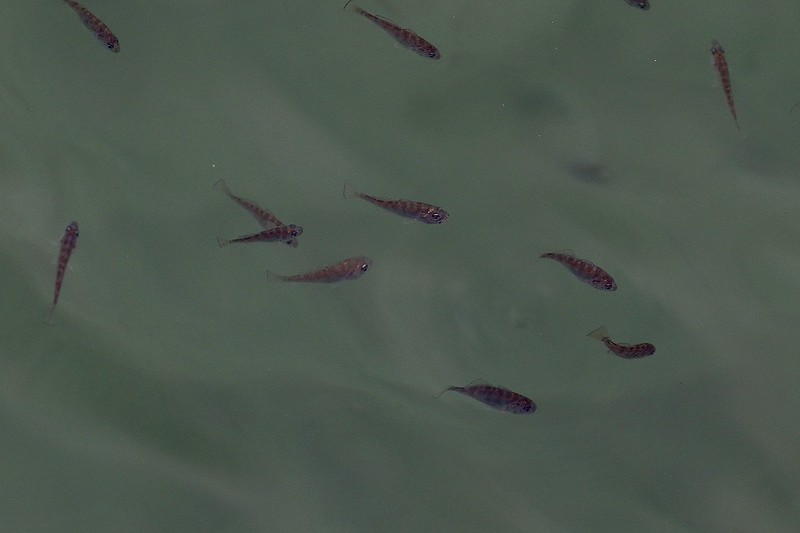
We also use field experiments and introduced populations to observe evolution as it occurs. Restoration projects in Alaska and population surveys in eastern Canada allow us to test how rapidly traits and genomes change, how ecological interactions affect evolutionary trajectories, and whether previous knowledge lets us predict the responses of populations facing drought, warming, and other environmental changes.
Members Involved

Mary Kathleen (MK) Hickox
Graduate Student

Lucas Eckert
Graduate Student
Rowan Barrett
Principal Investigator