
Butterflies
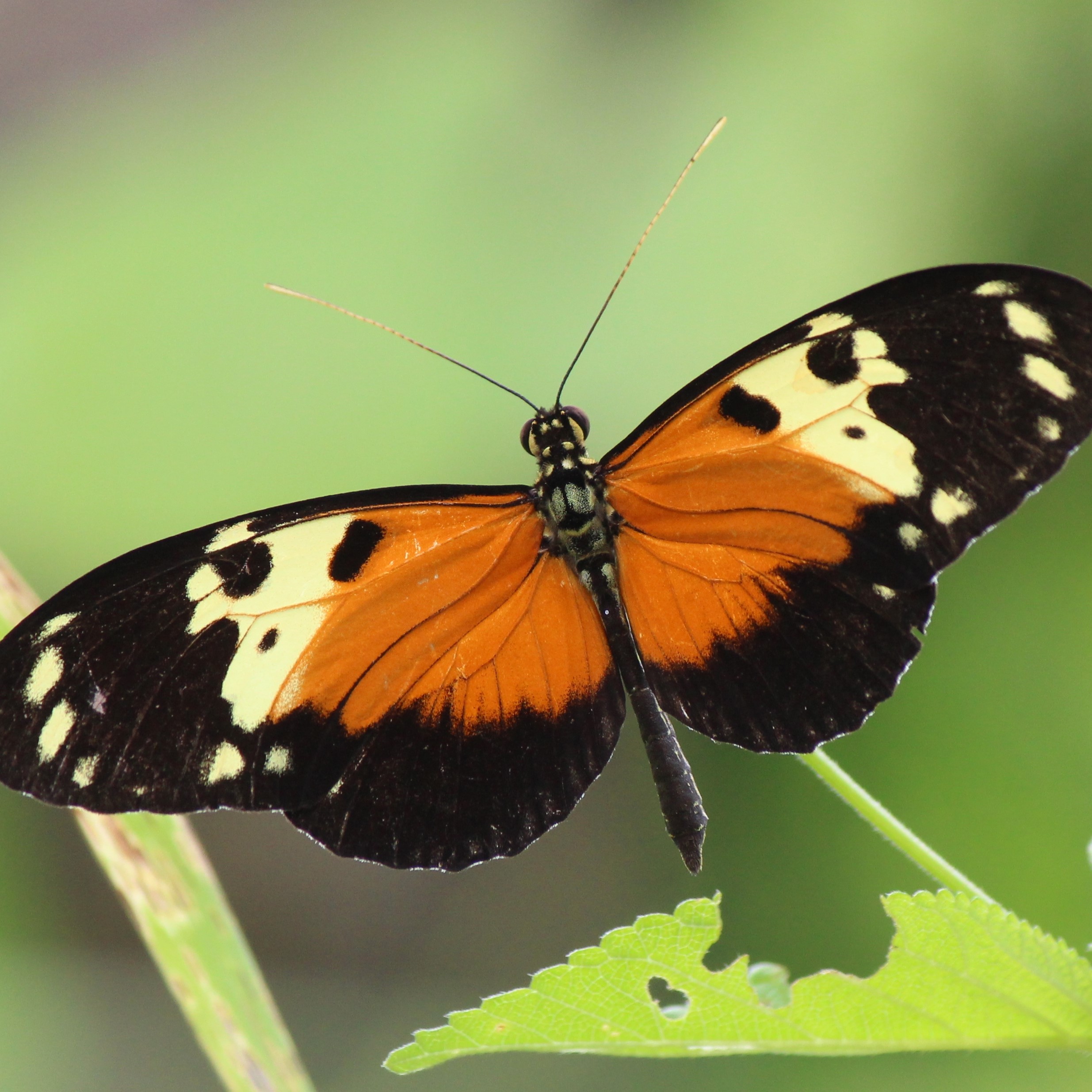
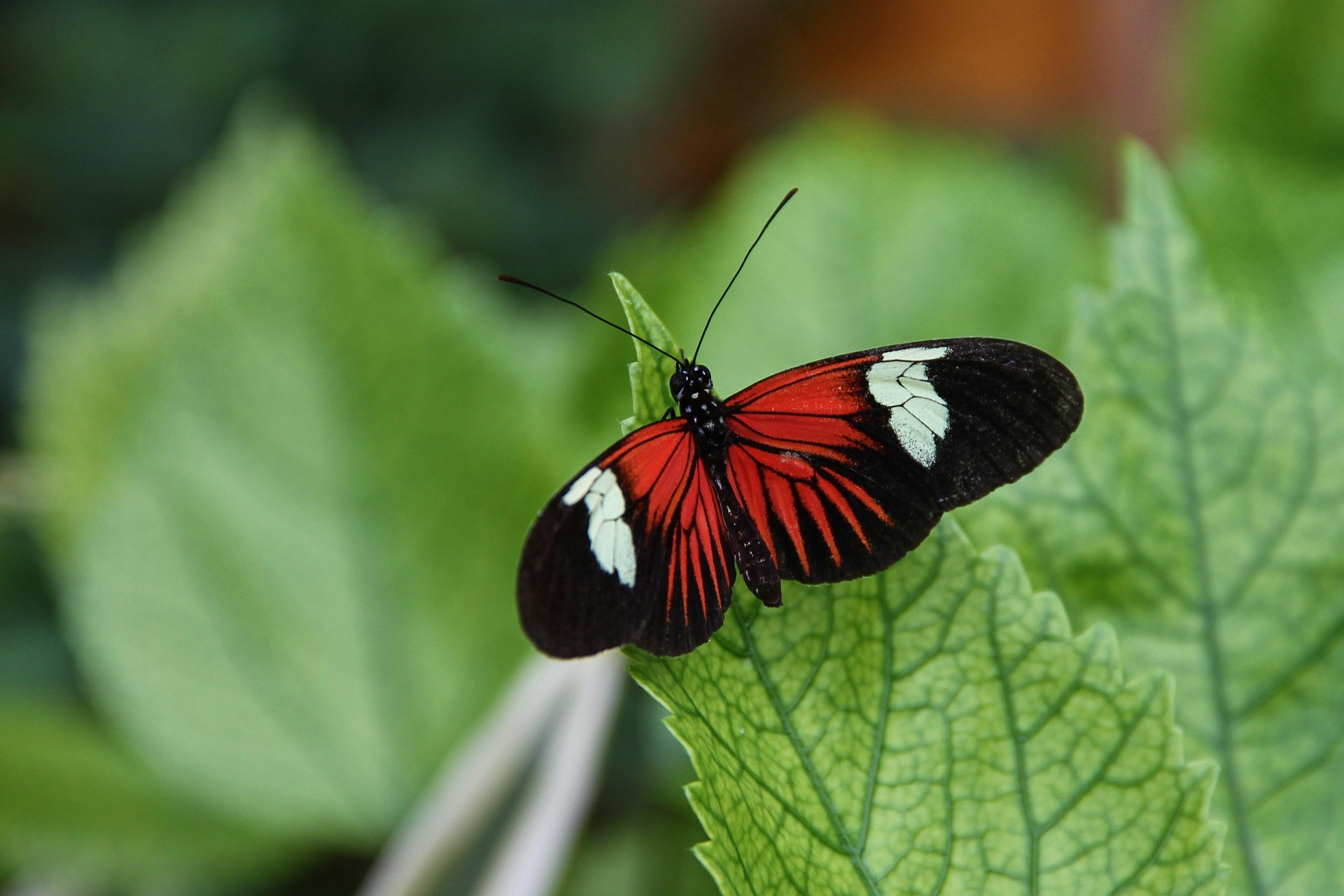
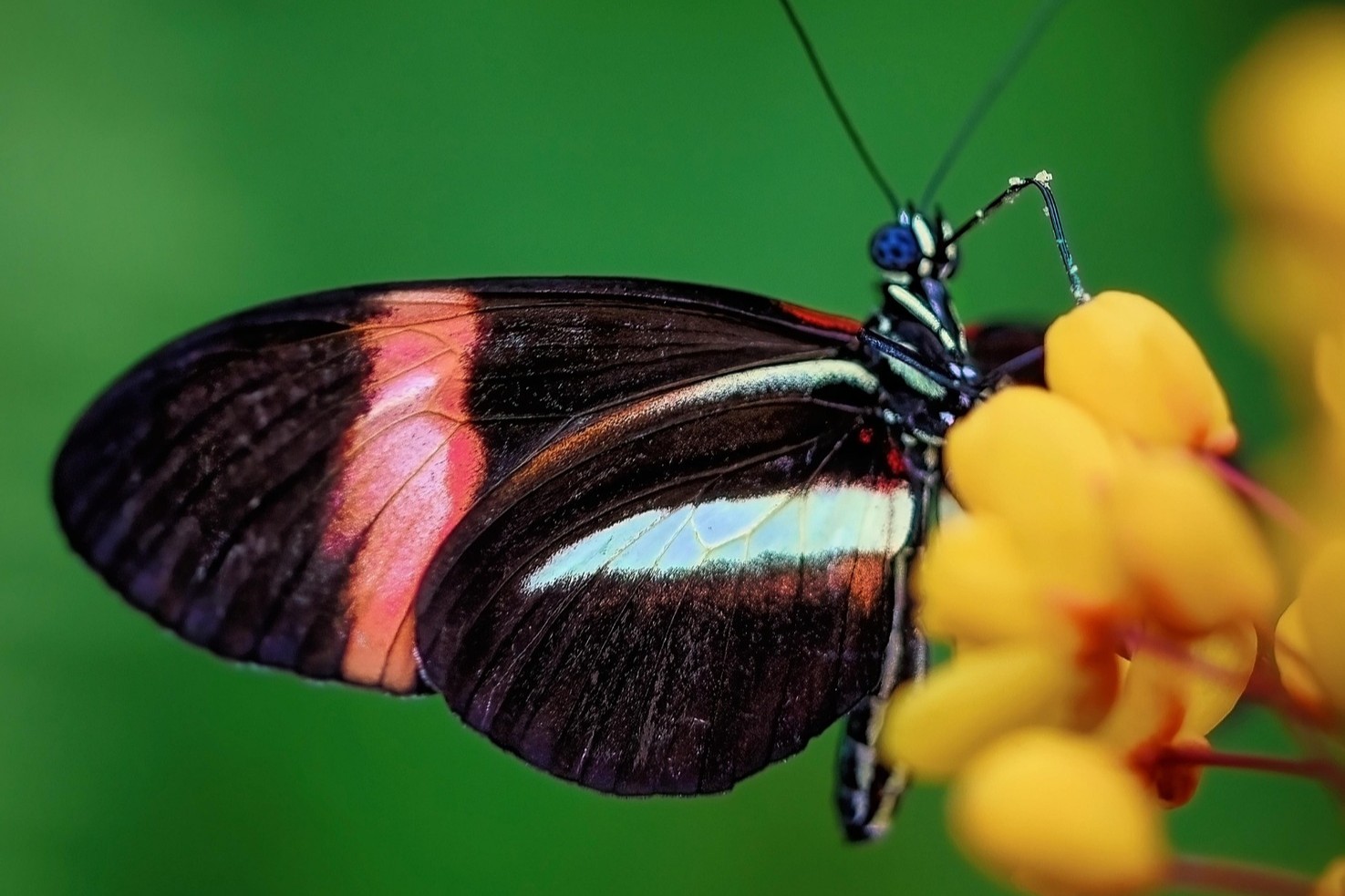
Heliconius butterflies are renowned for their brightly coloured wing patterns, which function in predator avoidance and communication among butterflies. Closely related forms often differ sharply in wing pattern while meeting and interbreeding in narrow hybrid zones. These zones provide natural laboratories for studying how selection and gene flow interact during the formation and maintenance of biological diversity.
Why butterflies are a good system for our questions
Our work examines the spatial distribution of butterfly phenotypes and how it changes across environmental gradients, geographic scales, and time. By combining field sampling, quantitative measurements of colour pattern, environmental information, and genomic data, we can ask why some phenotypic boundaries remain stable while others move as climates and landscapes change.
Butterflies are particularly useful for connecting processes occurring at different scales. Selection acts on individual wing patterns, gene flow transports alleles among populations, and regional environmental change can alter the location or strength of hybrid zones. Together, these processes help reveal when environmental variation promotes divergence and when movement and interbreeding instead erode differences among populations.

Members Involved

Ananda Martins
Graduate Student

Rowan Barrett
Principal Investigator