
Seabirds
Seabirds are long-lived, wide-ranging marine predators that integrate ecological conditions and contaminant exposure across large areas of the ocean. Because many species feed high in marine food webs and return repeatedly to accessible breeding colonies, they provide valuable opportunities to study how environmental stressors affect wild vertebrates over long periods.
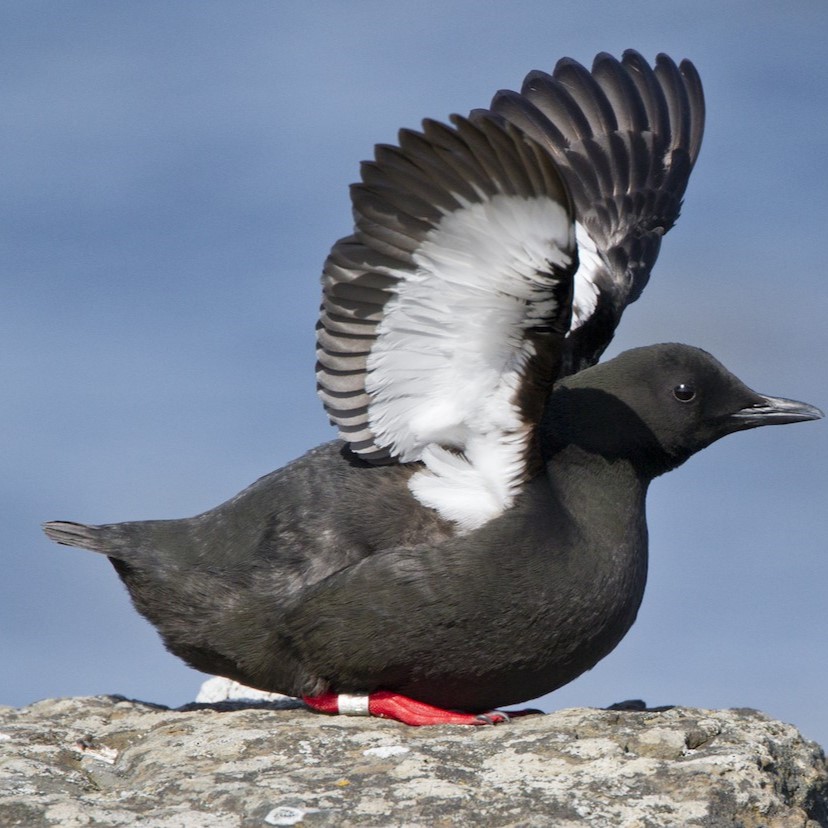
Why seabirds are a good system for our questions
Our work uses seabirds to investigate the biological consequences of marine pollution, particularly petroleum exposure in Arctic environments. By combining contaminant measurements with DNA methylation and other molecular information, we can ask whether exposure leaves detectable biological signatures and whether those signatures differ between anthropogenic pollution and naturally occurring oil sources. Seabird-associated microbial communities and dietary DNA provide additional perspectives on environmental exposure and ecological change.
More broadly, seabirds allow us to examine how molecular responses are shaped by the identity, intensity, and history of an environmental stressor, and whether individuals or populations differ in their capacity to tolerate increasingly altered marine environments.
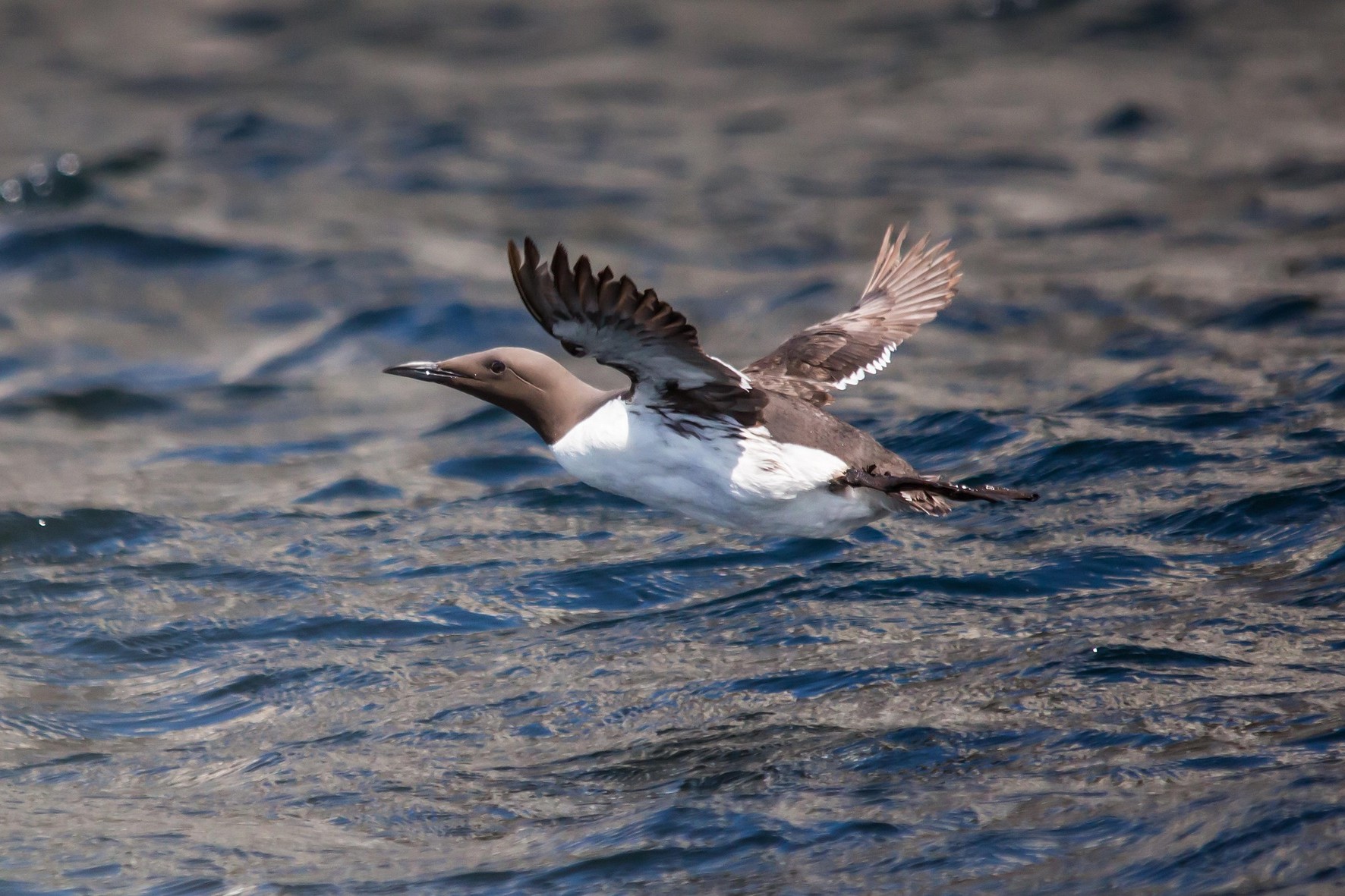


Members Involved

Akhil Kholwadwala
Graduate Student

Rowan Barrett
Principal Investigator