
Finches
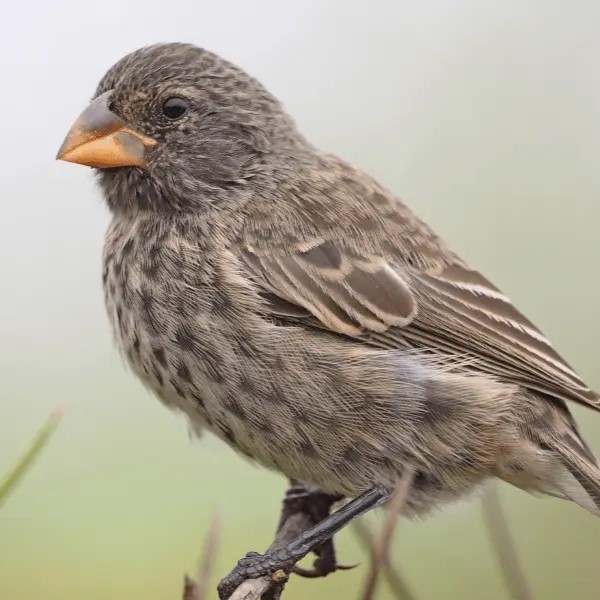
Darwin’s finches are a classic example of adaptive radiation, in which a shared ancestor diversified into species with different diets, beak shapes, behaviours, and ecological roles. Because several closely related species coexist on the same islands, they provide an unusual opportunity to study natural selection not only within individual populations but across an interacting ecological community.
Why finches are a good system for our questions
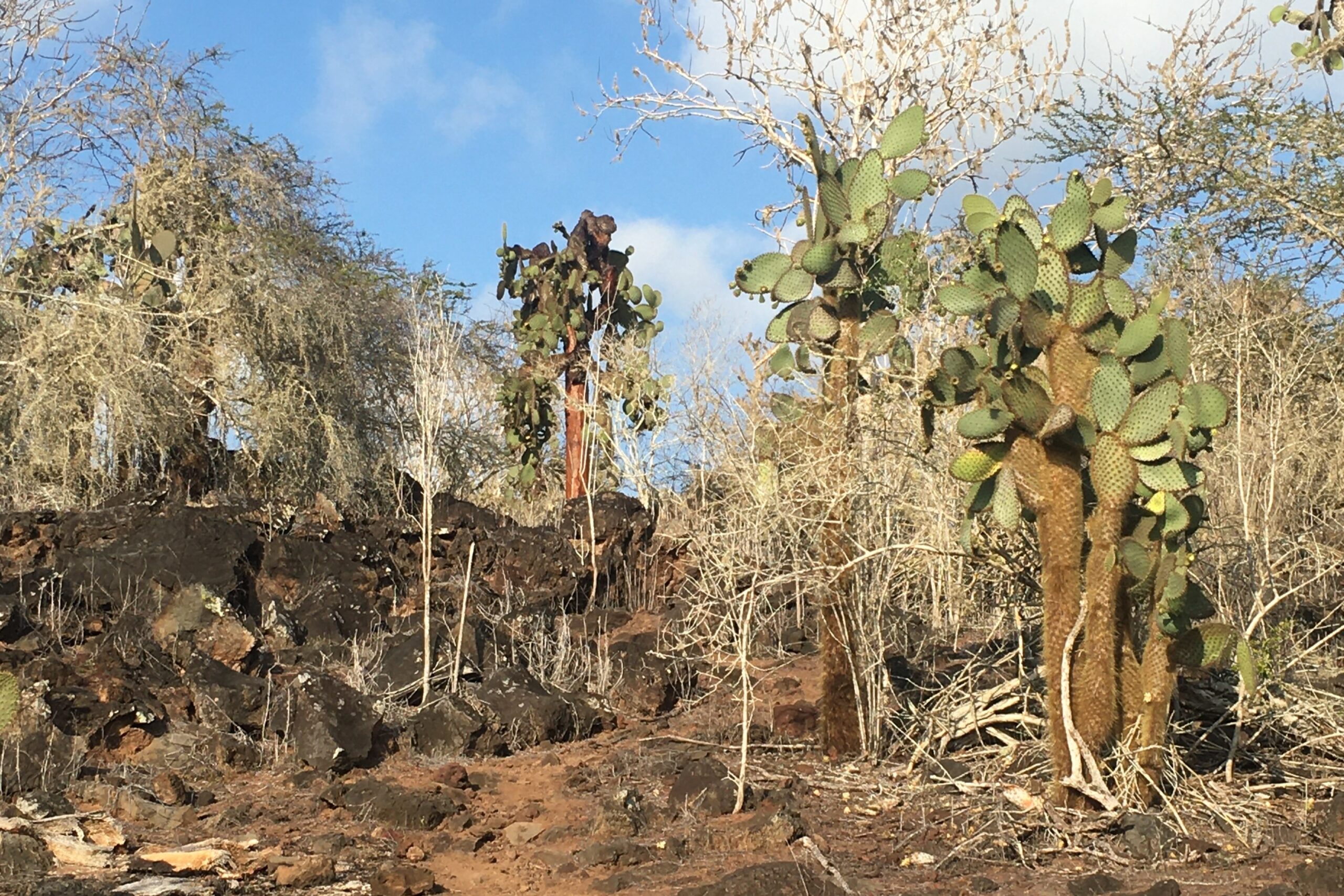
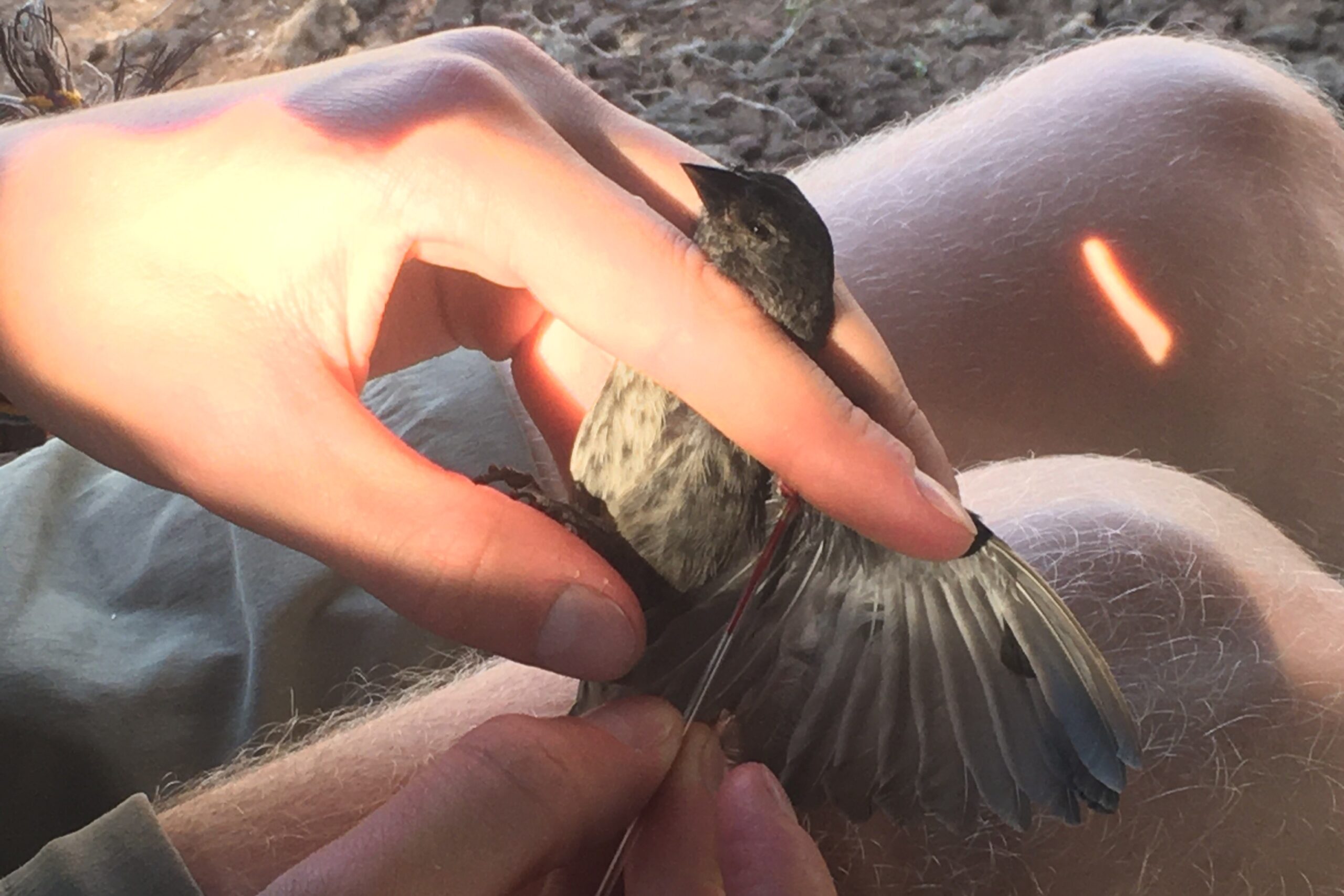
Our work combines long-term individual-based field data with measurements of morphology, survival, reproduction, movement, weather, and ecological conditions. These data allow us to construct fitness landscapes and determine how selection on beak and body traits varies among species and through time. They also reveal how competition and other interspecific interactions can alter which phenotypes are favoured.
Long time series are particularly important for evaluating responses to climate change. Recent analyses show that directional climate trends must be understood in the context of much larger year-to-year fluctuations in rainfall and temperature. Darwin’s finches therefore help us investigate whether short-term selection produces lasting evolutionary change and how reliably past ecological relationships predict future responses.

Members Involved

Rowan Barrett
Principal Investigator