
Deer Mice
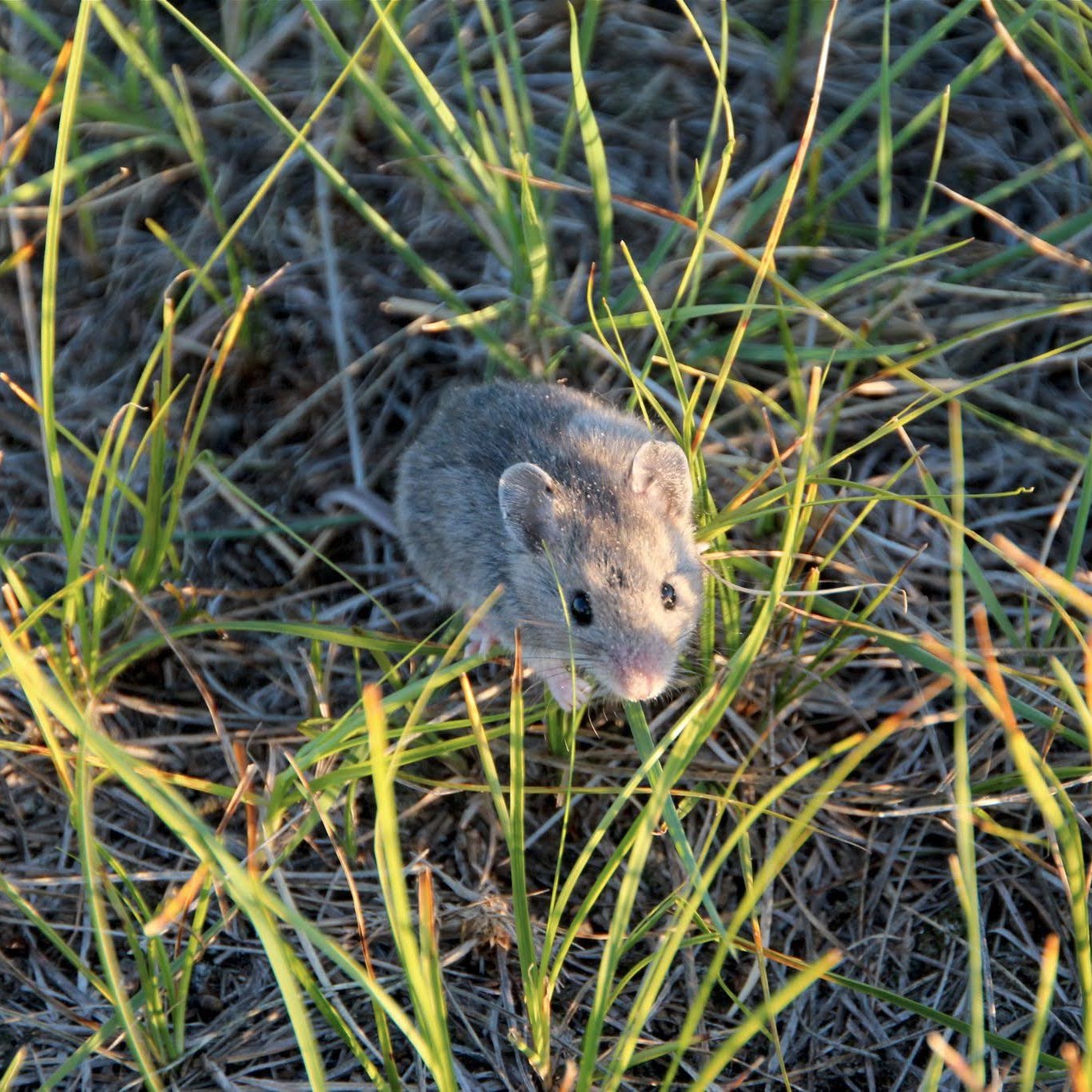
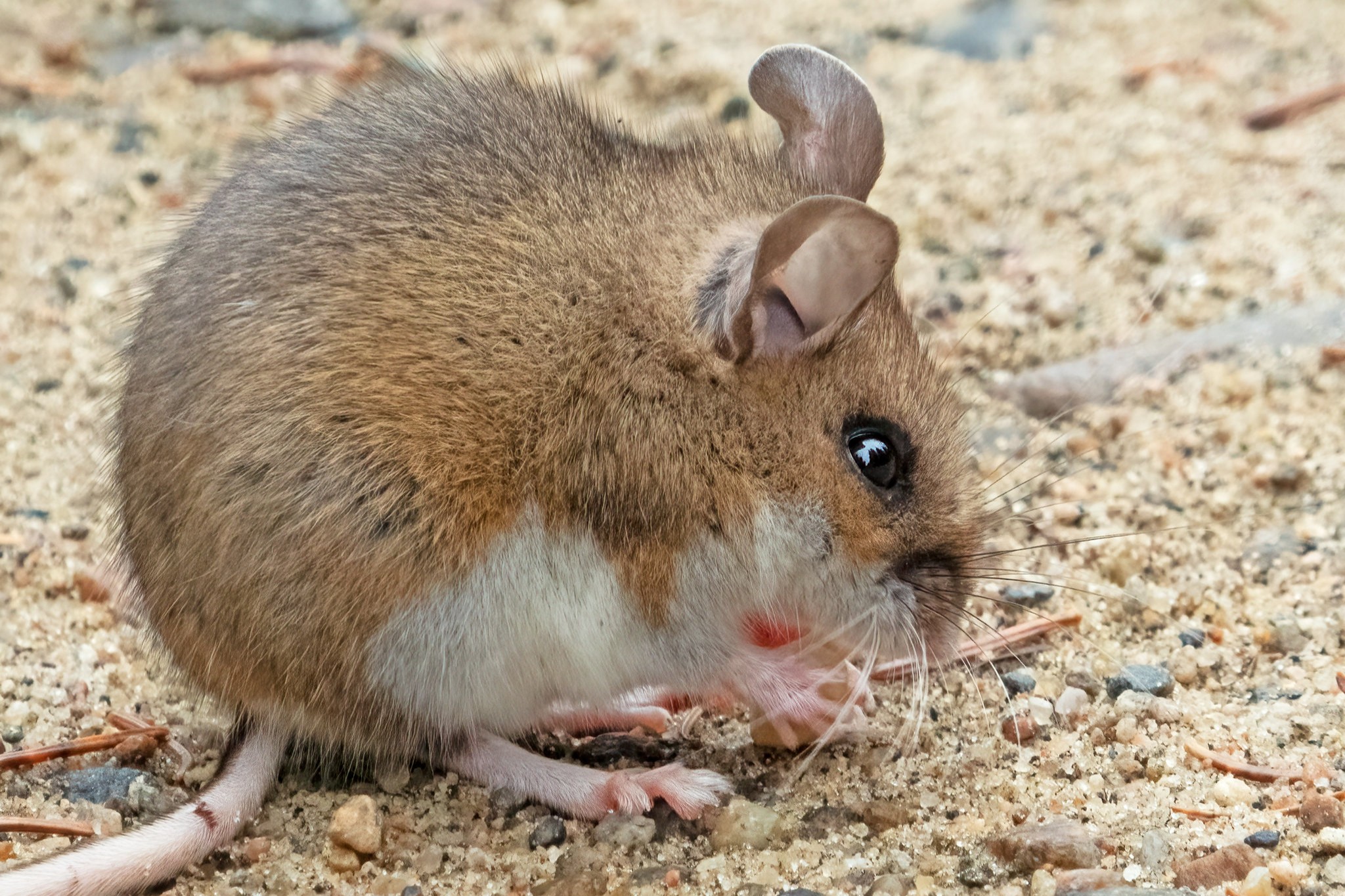
Deer mice and their close relatives in the genus Peromyscus occupy an exceptionally broad range of habitats across North America. Populations differ in coat colour, climate, habitat, and demographic history, making them useful for connecting individual mutations with organismal performance while also examining adaptation and range expansion at continental scales.
Why deer mice are a good system for our questions
One focus of our work is adaptive coloration. Field experiments with mice living on differently coloured substrates have allowed us to trace a path from variation in the Agouti gene, through changes in pigment production and coat colour, to differences in camouflage and survival. This provides a rare example in which the fitness consequences of a naturally occurring mutation can be measured directly in the wild.
We also use population genomics to study northward range expansion, adaptation along climatic gradients, and genetic exchange among related species. Together, these approaches allow us to investigate adaptation from mutation to phenotype to fitness, while asking how demographic history, hybridization, and rapid environmental change influence the evolutionary potential of natural populations.

Members Involved

Rowan Barrett
Principal Investigator