Research

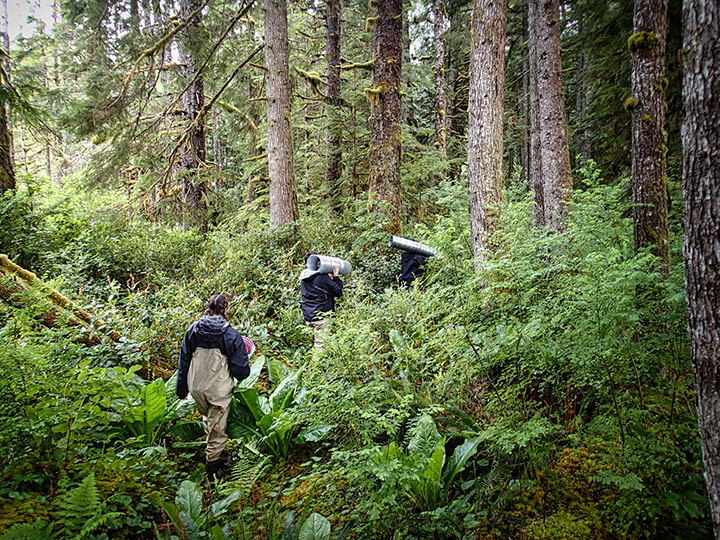
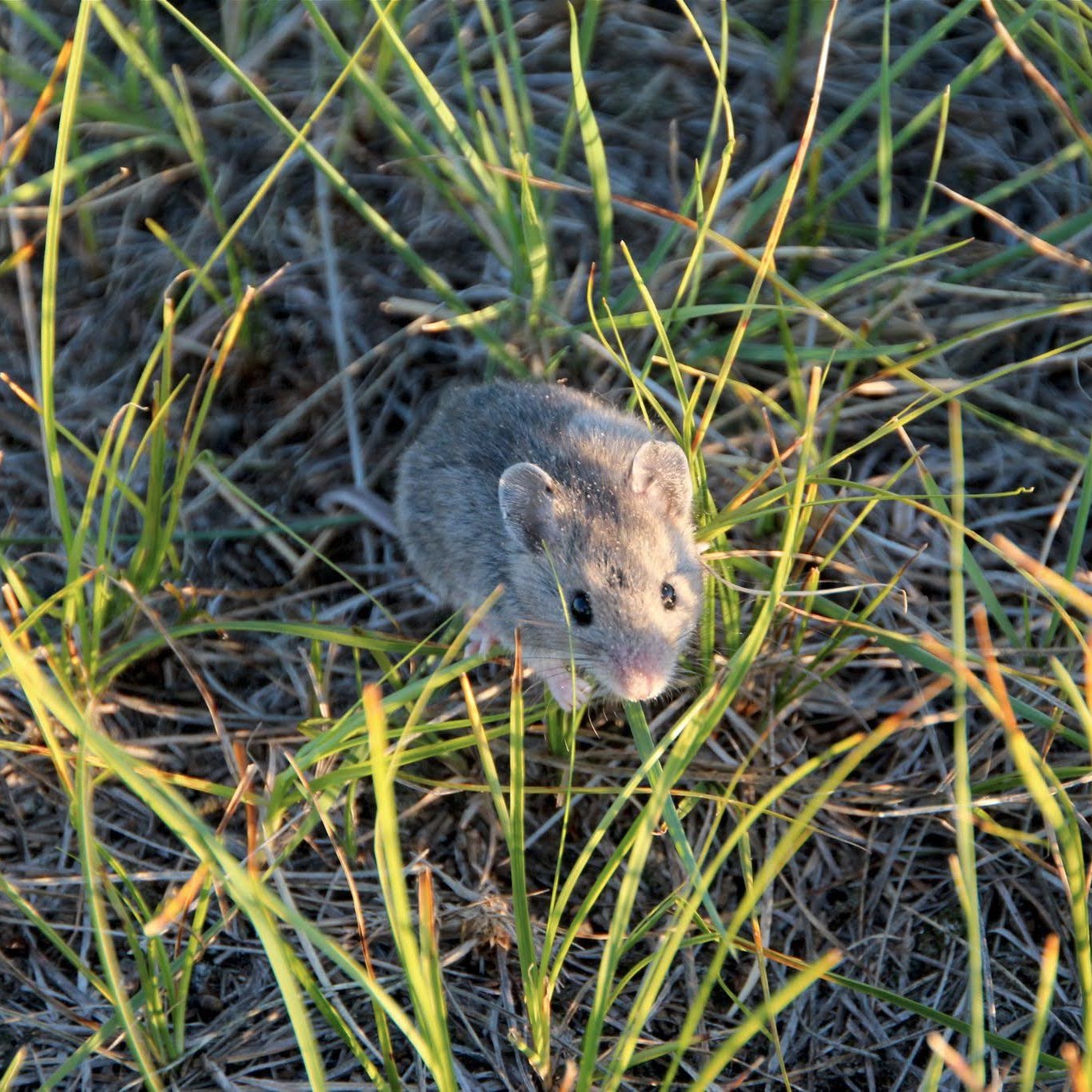
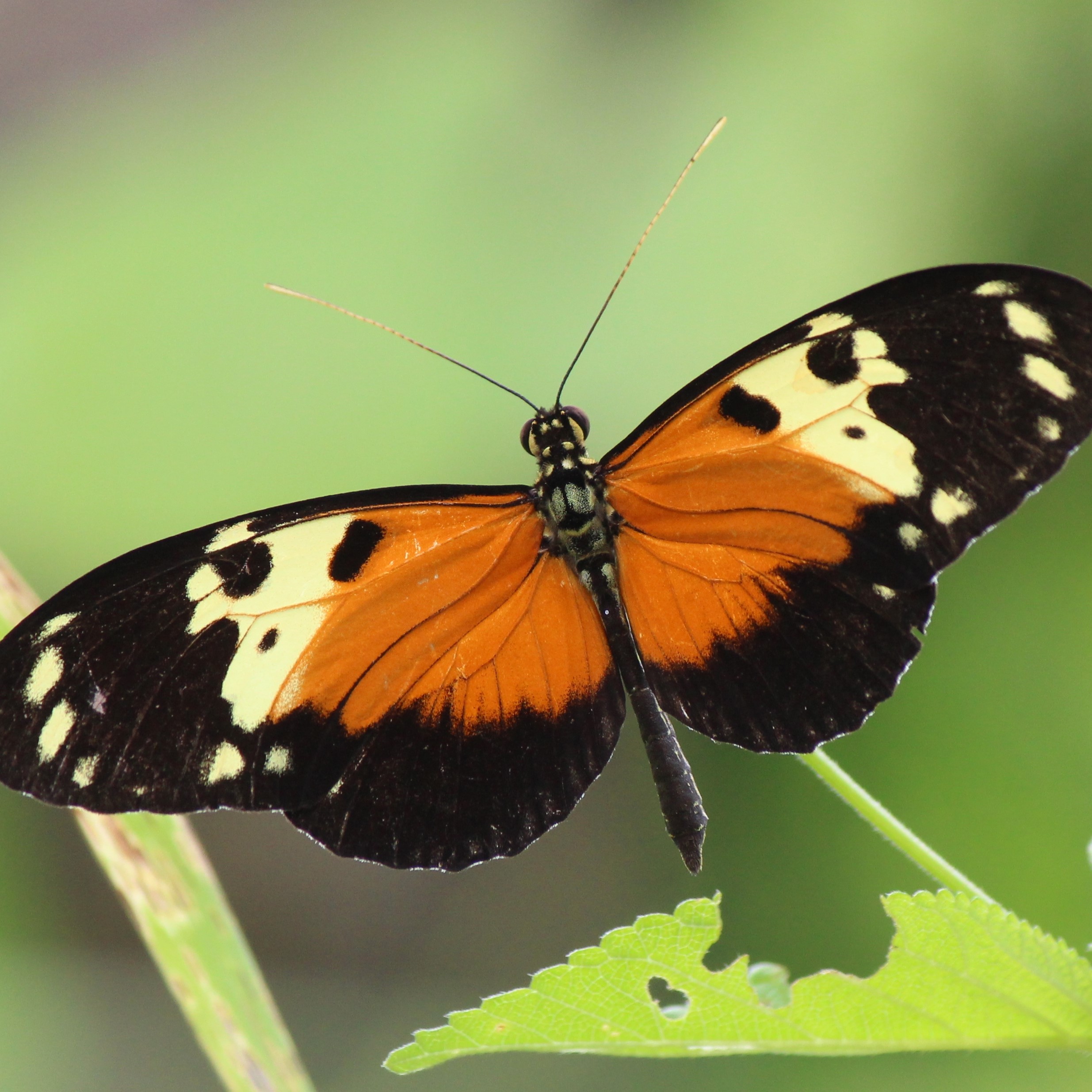
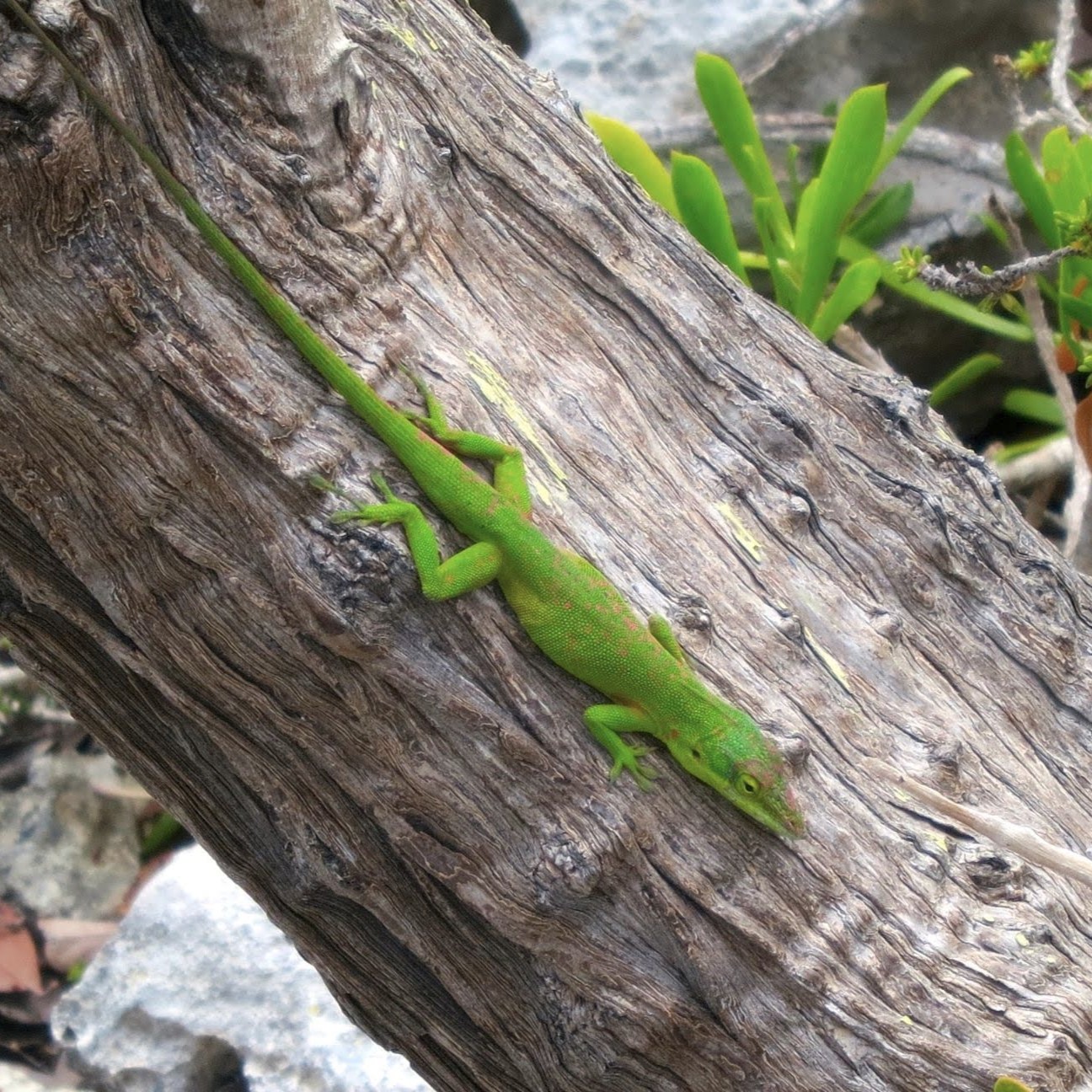
Rapid environmental change results in elevated extinction rates and thus poses a major threat to biodiversity. One way in which organisms might respond to these changes – and thus persist into the future – is through adaptive evolution. Our research investigates this possibility by connecting traits related to Darwinian fitness (i.e., survival and reproductive success) with their underlying genetic architecture in relevant ecological scenarios. The extent to which evolution is predictable is a major unresolved question in biology, and crucial for understanding how populations will evolve in response to rapidly changing environmental conditions. Although natural selection is a deterministic process, the predictability of evolution might be limited because the ecological sources of selection and the genetic basis of adaptation can be complex. Our research combines a variety of approaches and study systems to help understand this complexity. We generate and test hypotheses about the predictability of evolution through a combination of ecological field experiments, molecular biology, genomics, and computational biology. Our main study systems are threespine stickleback fish (Gasterosteus aculeatus), deer mice (Peromyscus maniculatus), and anolis lizards (A. sagrei and A. carolinensis), but we often work with other organisms too (such as bacteria, Galapagos finches, or Heliconius butterflies). We aim to quantify the contributions of genome-wide genetic variation to fitness, and to understand the ecological and evolutionary forces that have shaped these patterns of variation between individuals, populations, and closely related species.
You can find code that we have developed for our research on our lab GitHub page here.
Methods & Tools

Whole Genome Sequencing (WGS)

DNA Methylation

DNA Metabarcoding & eDNA
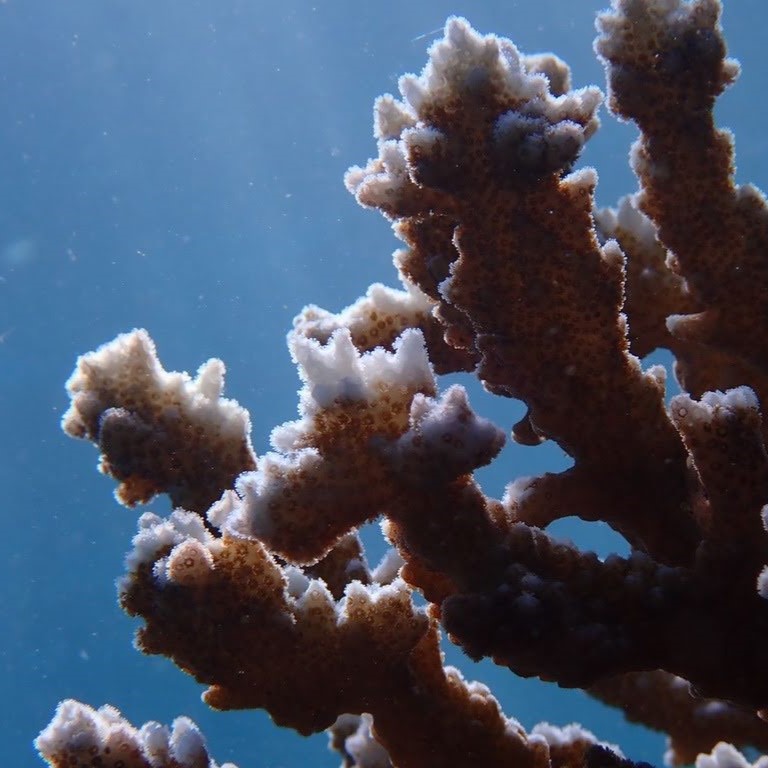
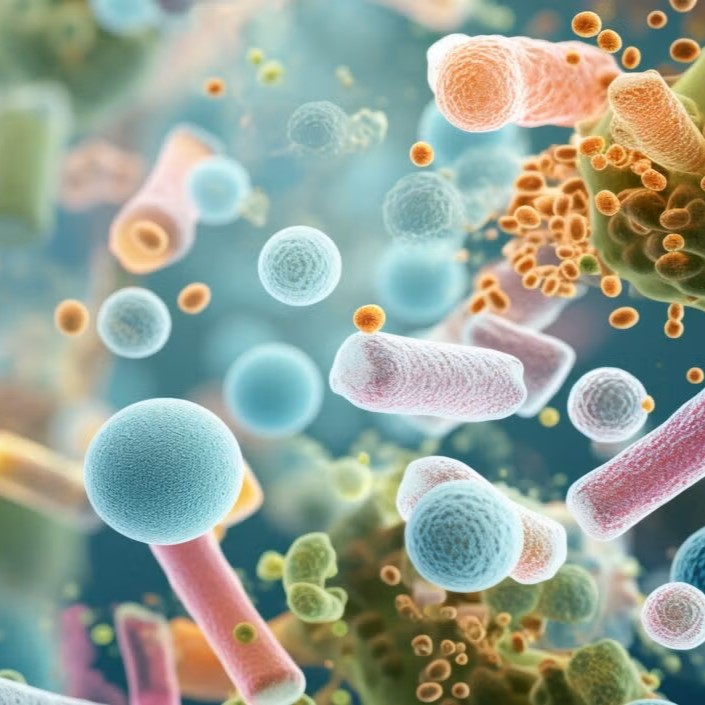
Many of our projects take advantage of DNA metabarcoding and environmental DNA (eDNA [add short description of techniques?] to gain insights into community dynamics at various spatial scales. For instance, we use the 16S rRNA marker gene to detect microbial communities in both environmental samples (e.g. LEAP mesocosms, seawater in coral reefs) and those associated with living hosts (e.g. coral reef fishes, corals, seabirds). We use marker genes such as COI to survey the diversity of life on coral reefs. In other cases, we use metabarcoding to understand how organisms’ diets change in response to stressors.
Study System
Caribou
Coral & Coral Reef Fishes
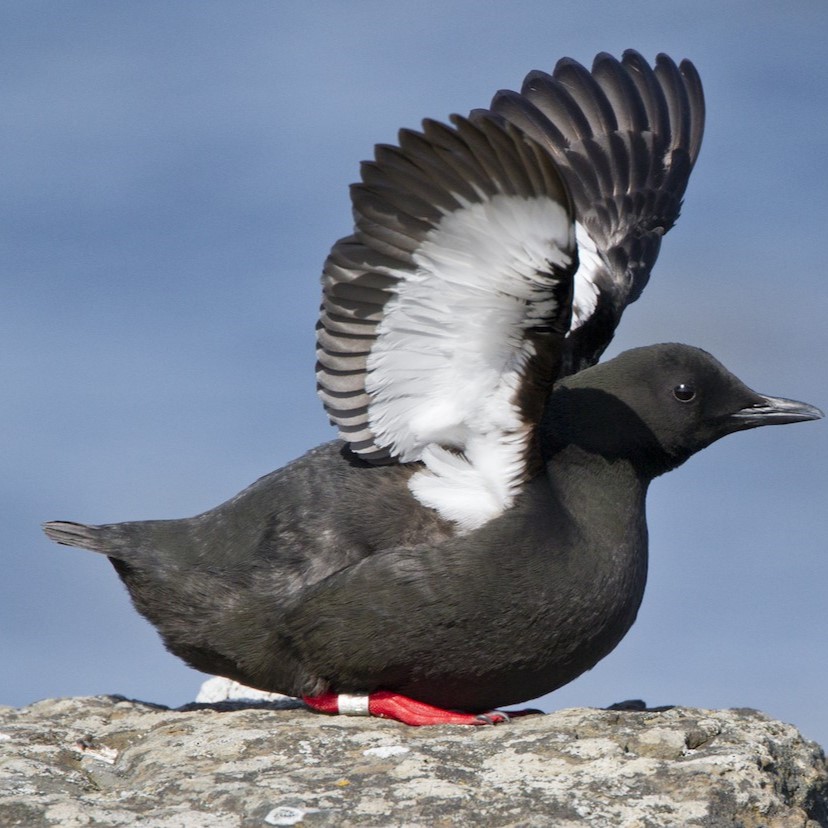
Seabirds
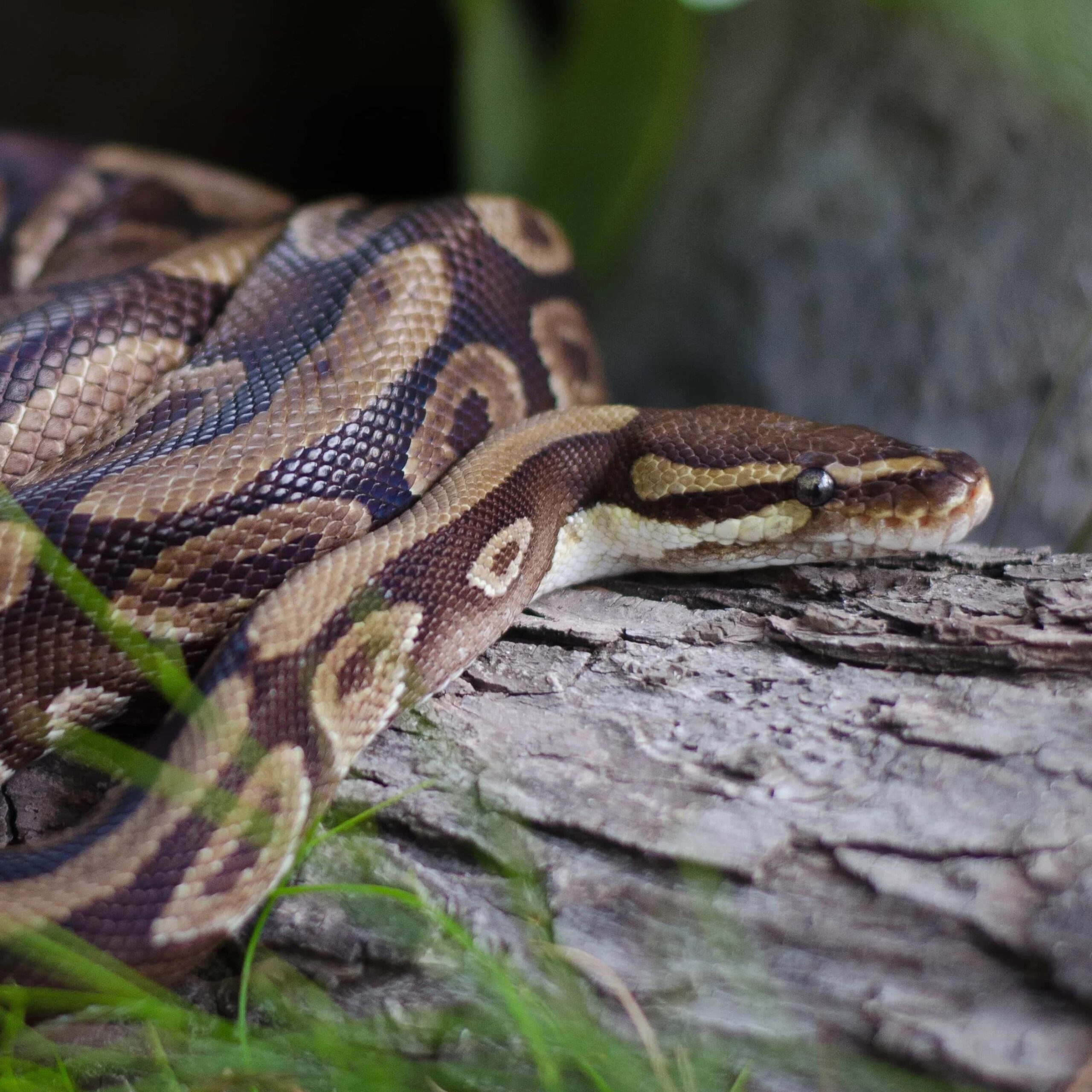
Pythons
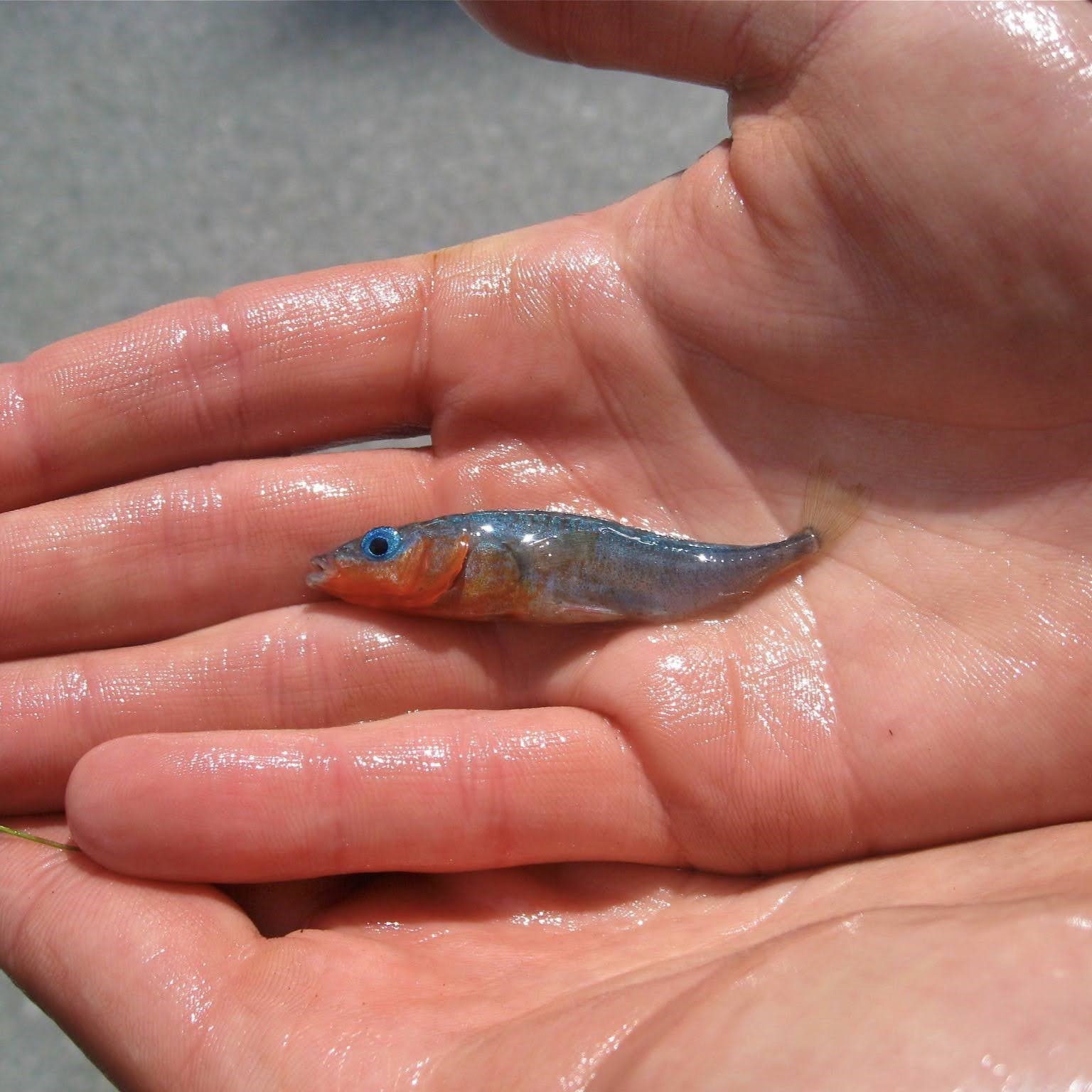
Sticklebacks

Guppies
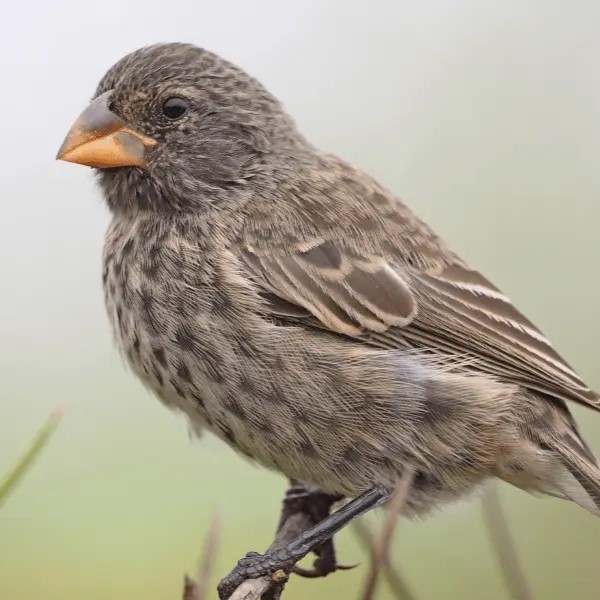
Finches
Microbes/Microbiomes
Butterflies
Anoles